Nobody really knows what is going to happen next year. (Anyone who says they do is guessing!)
Still, I have a pretty good idea where commercial photography is heading in 2027.
So here is what I am basing this on. My own research, and 25 years of watching how photography moves.
A good place to look is always fashion magazines. They are always ahead of the trend.
And things come back around. I have watched it happen over and over. New trends also push against the old ones.
Right now we are starting to be overrun with images produced by AI, and very finished ones. Light, airy, polished branding photography.
So my ideas are the opposite!
Follow the wobbly line
By that I mean embracing the flaws.
When pictures can be made perfect in seconds, perfect stops being special. The human touch becomes more special, because it shows that a real person made the image.
Trend one: hard flash and a tilted angle
We have already seen a little of this. I think it will explode in 2027.
It is the kind of lighting you used to see from Juergen Teller and Martin Parr. In your face. Heavily vignetted, overexposed and gritty.
Now add a Dutch angle. That simply means tilting the camera so the horizon runs diagonally.
All my fashion photography in the nineties and noughties was hard light. Beauty dish, grids, barn doors.
I still use it at events today. It cuts through a dark room and gives you that party feel.
Try this
Switch your flash on in daylight, point it straight at your subject, and tilt the camera.
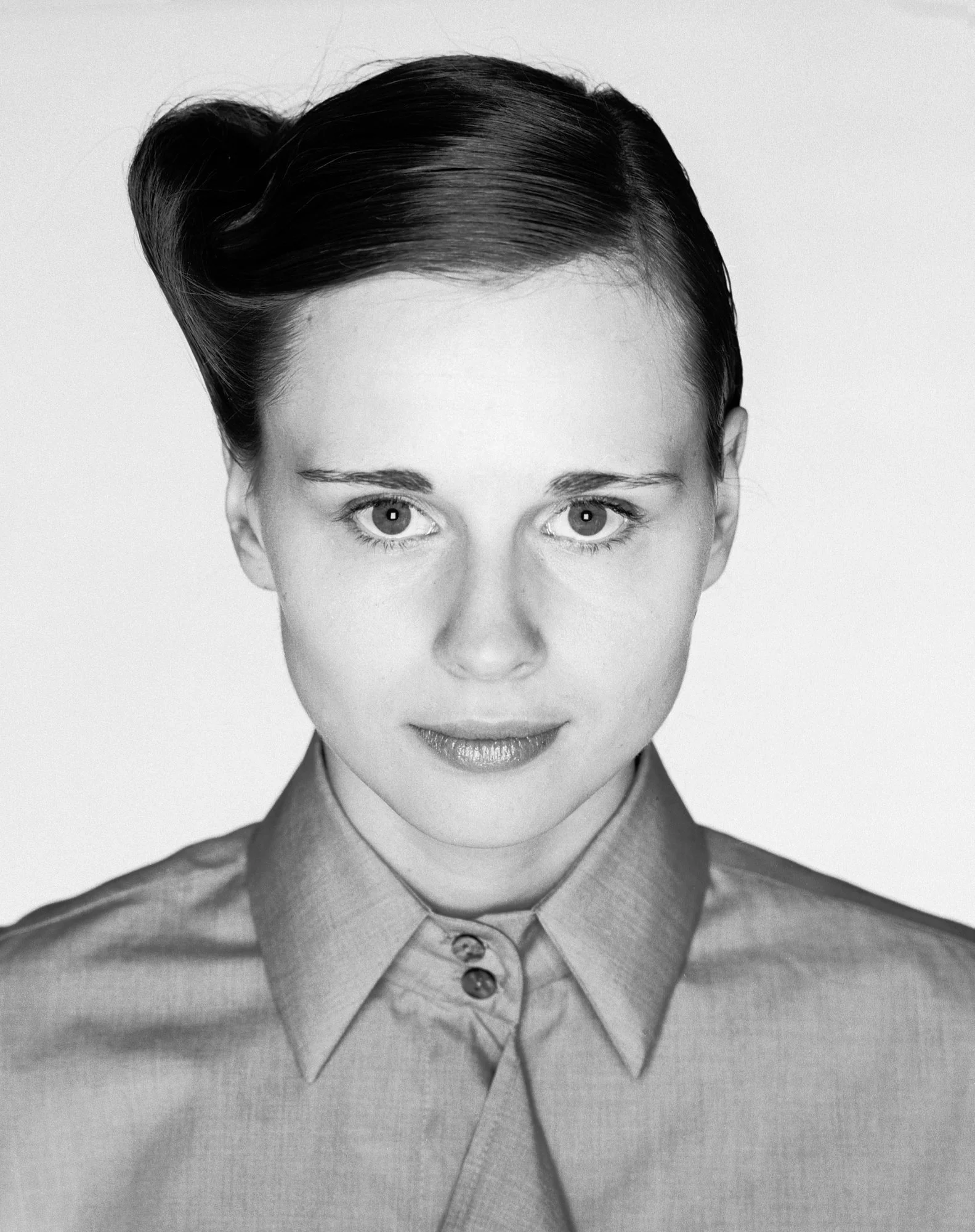
A studio portrait for Alistair Carr, ex Pringle.
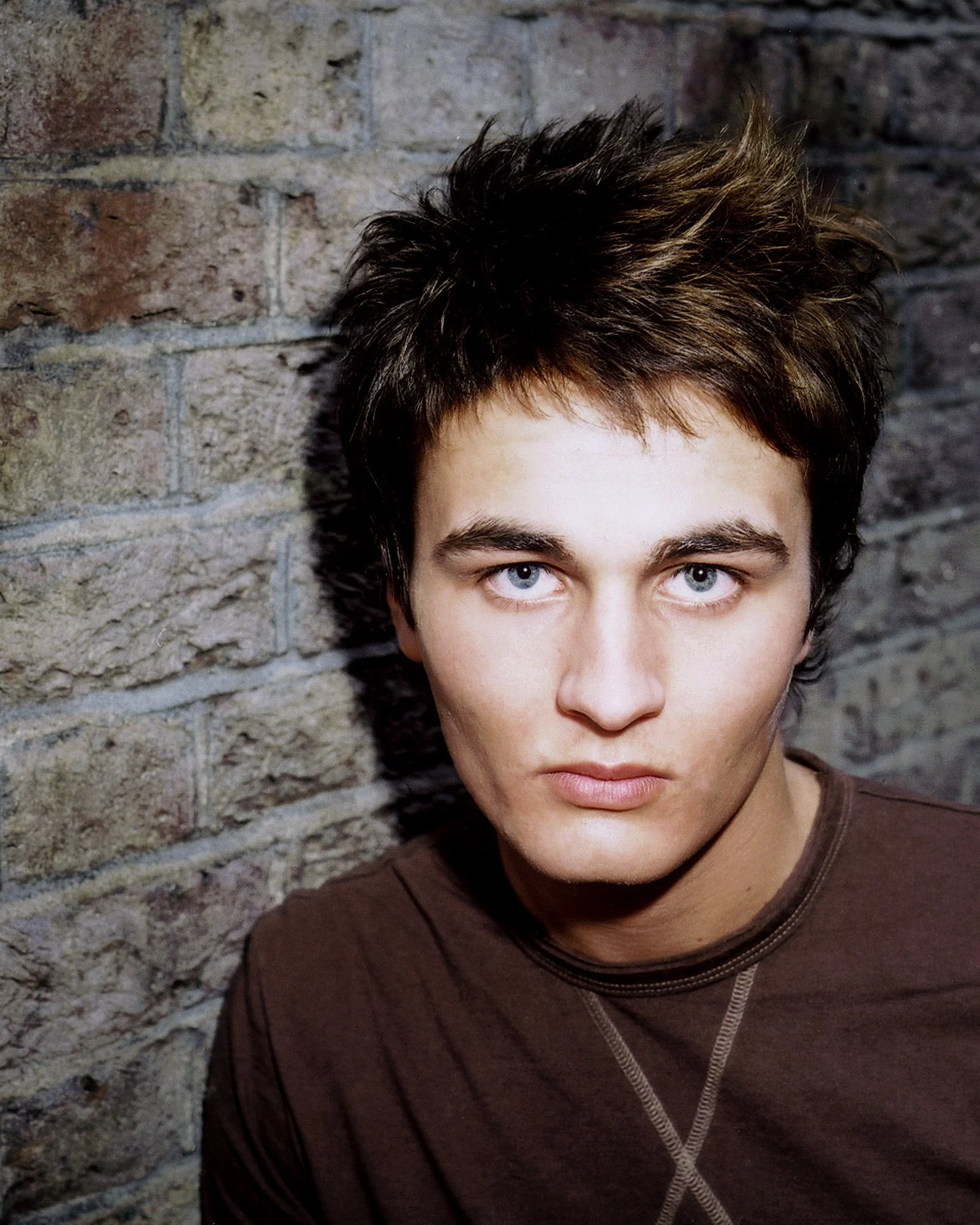
Saks Hair and Beauty. An alley in Soho, on-camera flash, a Nikon FM3 and film.
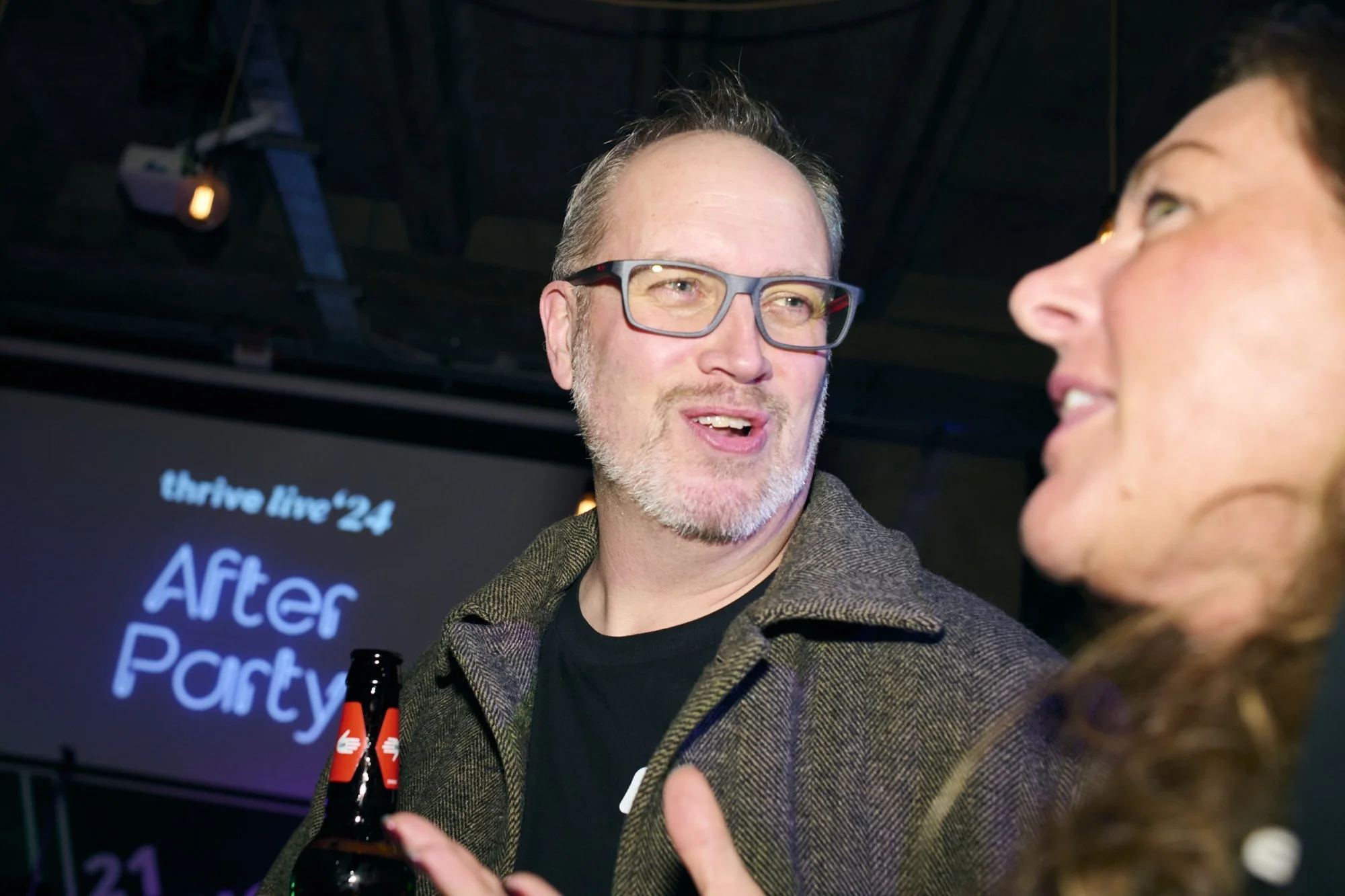
On-camera flash and a tilted frame at an event after party.
Trend two: layering
I noticed my university students loved layering back in 2015. One photograph on top of another, or a multiple exposure.
It was not new even then. I made the piece below about 25 years ago in Photoshop. Old things come round again.
You can take it further. Print the photographs, tear the edges so they go soft, and photograph them again.
It has a punk feel and a ready-made look. Think of the cut-and-paste art of Dada photomontage, and of the Sex Pistols artwork by Jamie Reid.
Try this
Print one of your own photographs, tear the edges, put it on a table and photograph it.
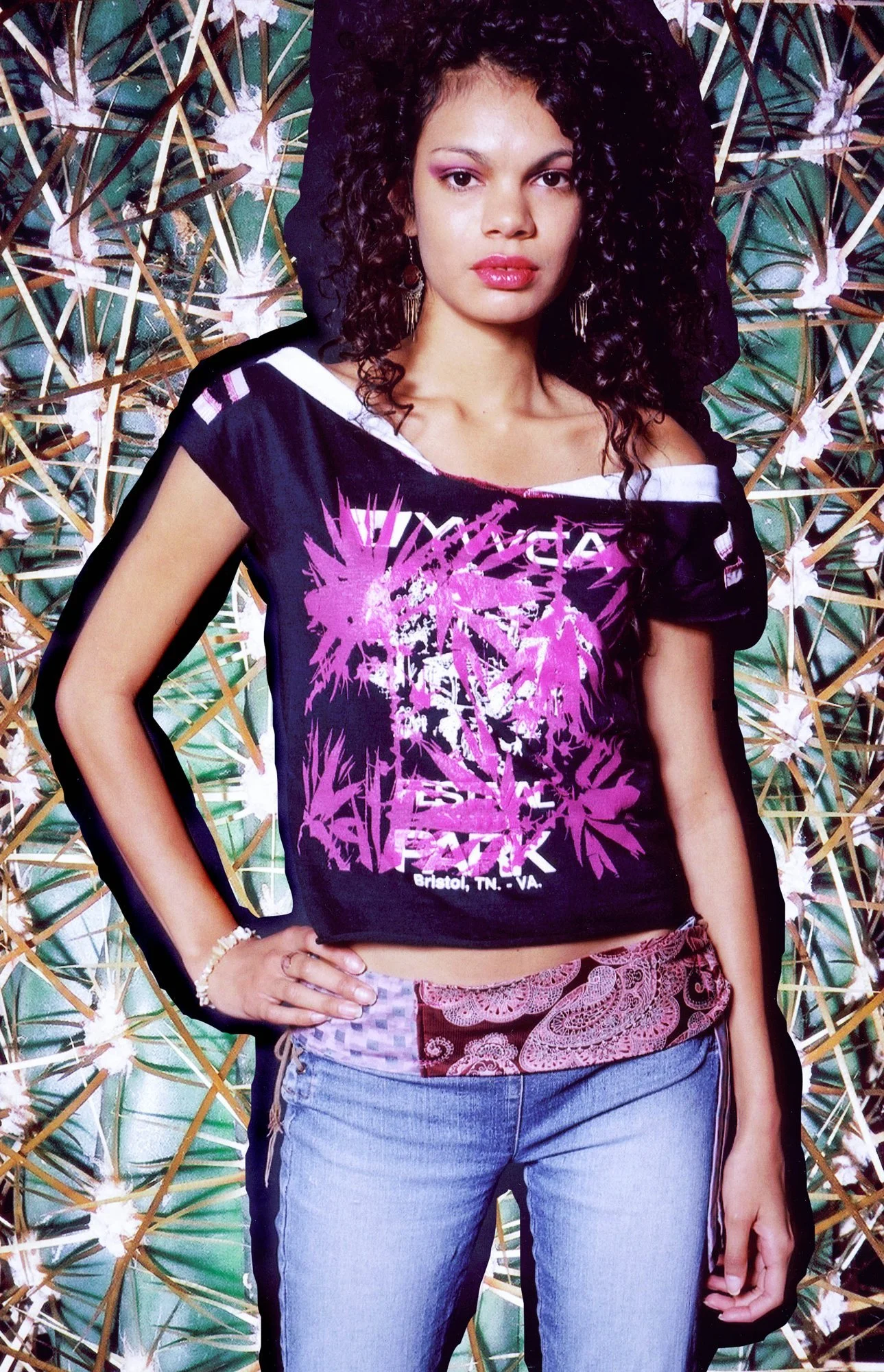
A layered piece I made in Photoshop about 25 years ago.
Trend three: real people in real places
Real clients in their real premises. Real signs, real tools and hands doing real work.
It is what I already do for my branding clients in Bristol and across the South West. I think it matters more next year, because a photograph of your actual business is hard to fake.
Try this
Photograph someone where they actually work, not in a studio.
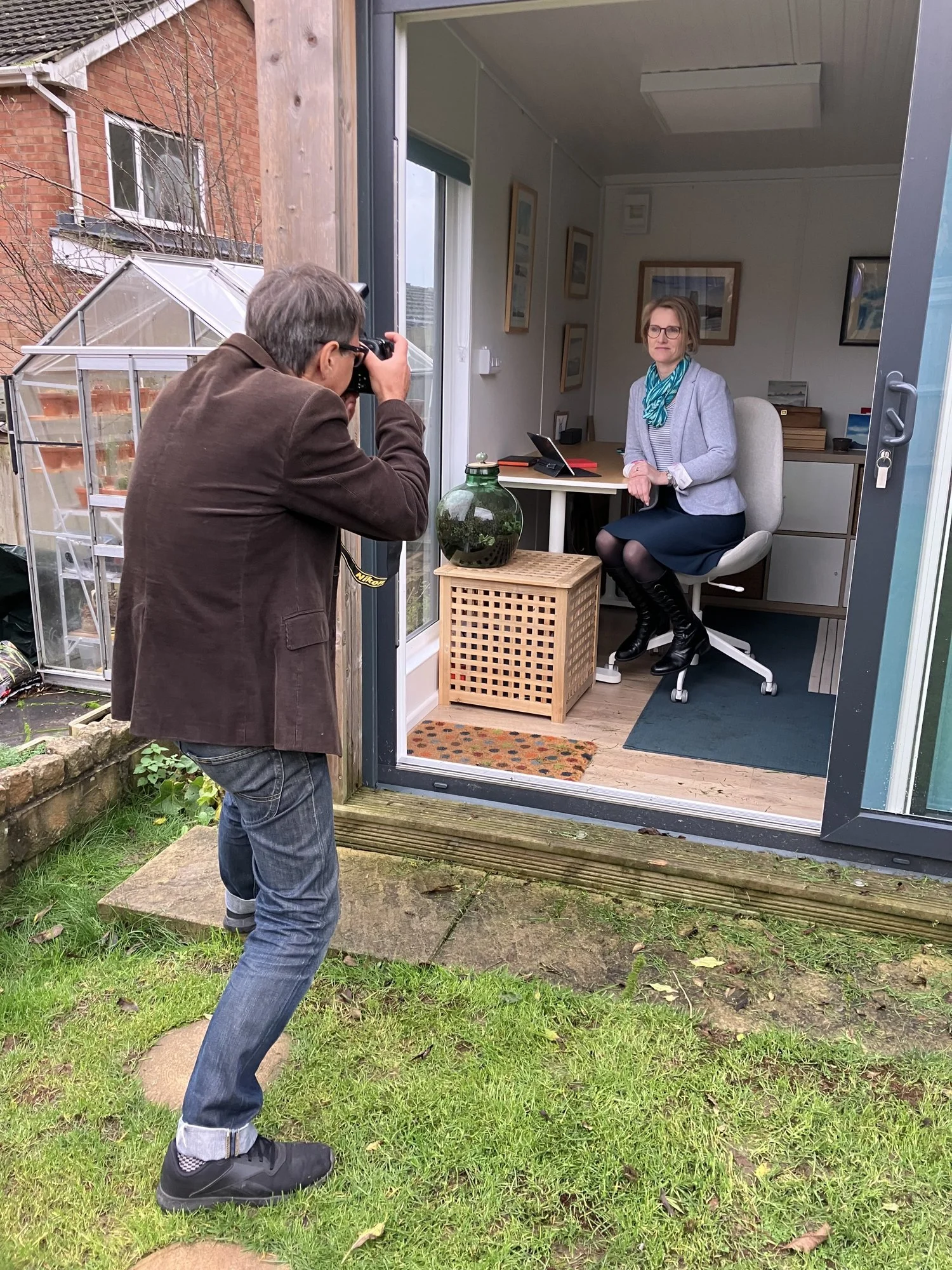
Behind the scenes. Nothing was built. This is how the space looked.
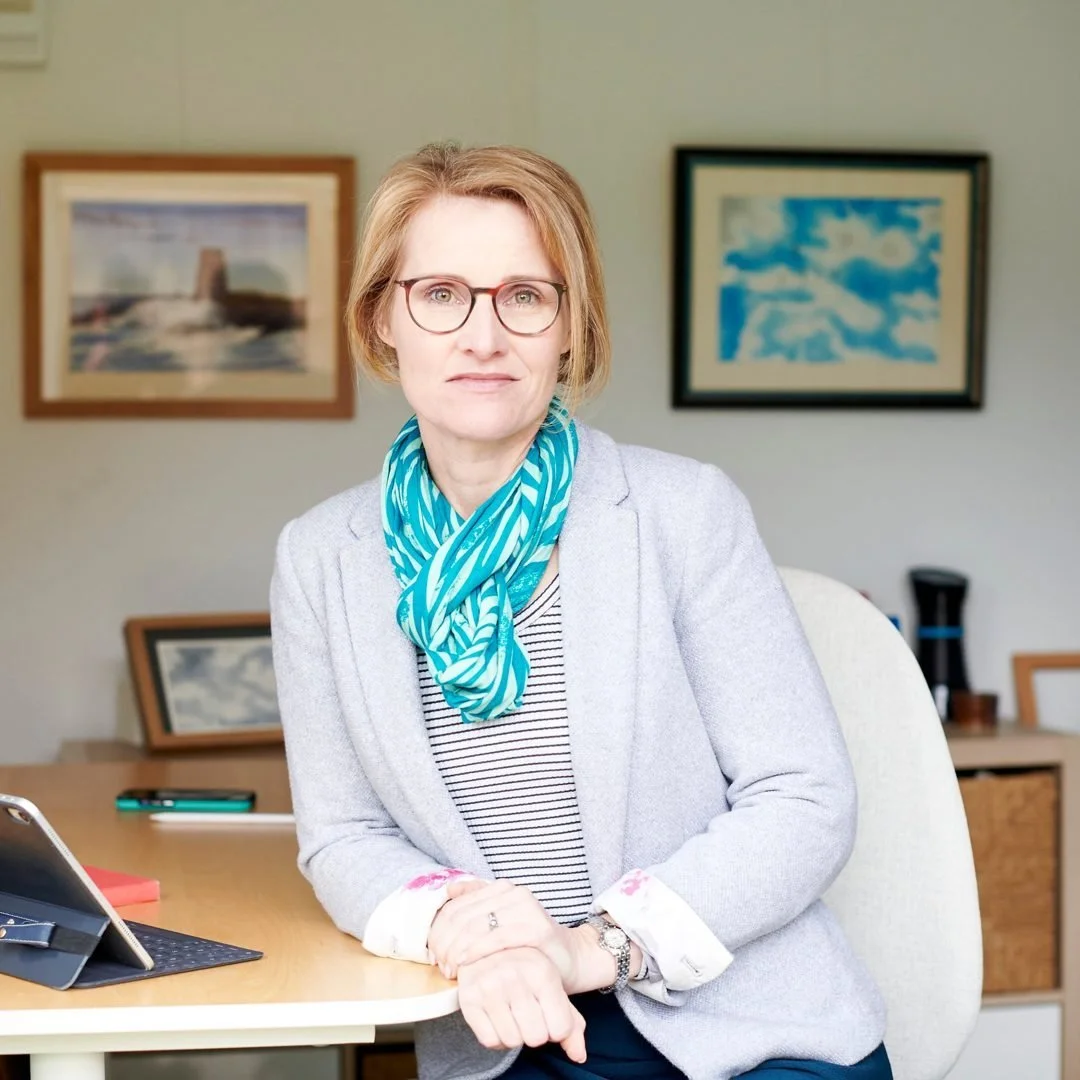
Photographed in her own garden office, with her own pictures on the wall.
Trend four: duotone black and white with a seventies feel
Every year I hope black and white will have a renaissance in commercial photography. After all, the general public loves it.
This time I think black and white comes back with a twist. Duotone, with a seventies feel. Think Top of the Pops. It sits well in banners on websites and it is very usable, in your brand colour of course! (Can you guess my brand colour?)
It harks back to those old-school techniques that catch people's attention. It is a headshot, but on steroids. And the colour is very on brand.
If you want to try it, I use colour wheels. Warmth in the bright areas and a cooler tone in the shadows, and keep it subtle. (If you can clearly see the effect, it is probably too much.)
I wrote about black and white earlier this year. You can read how I came to love it again here.
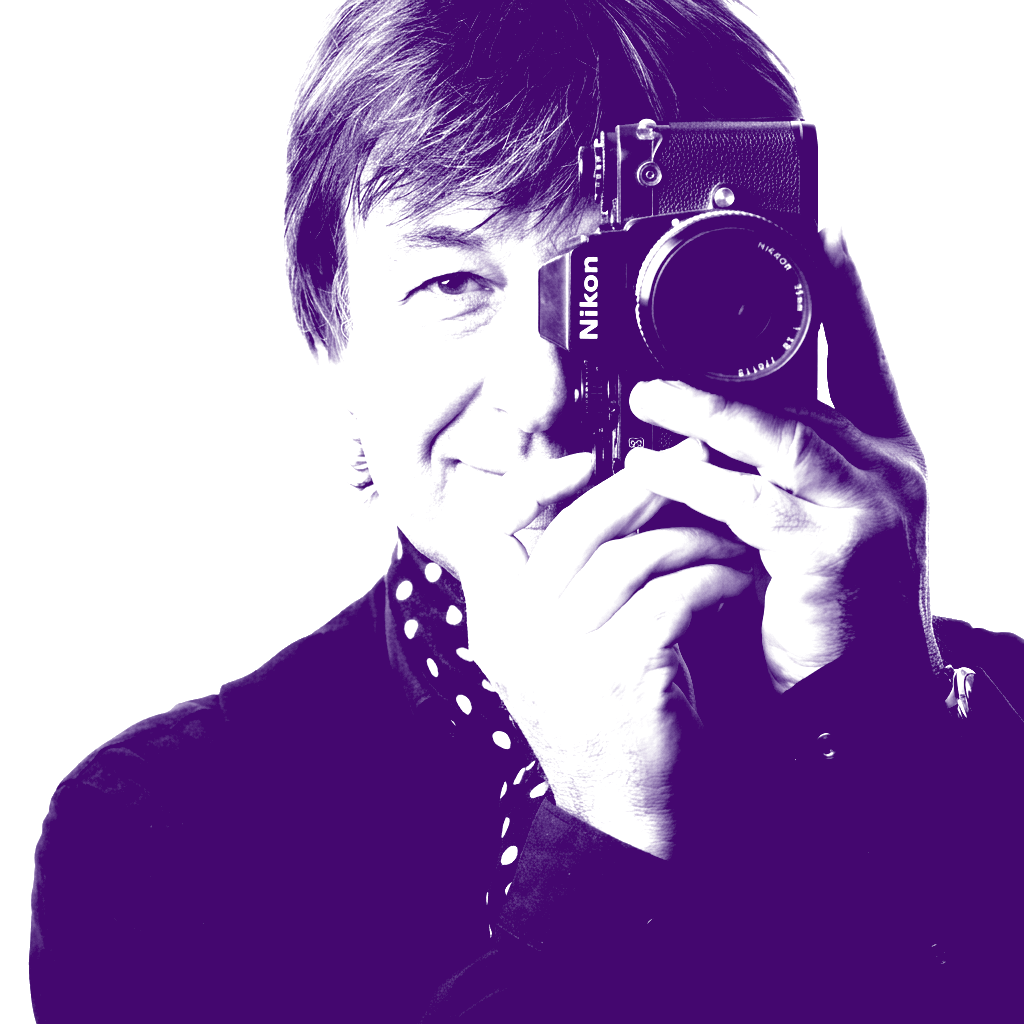
A duotone portrait.
Trend five: visual humour
Surreal, deadpan still life. A picture that makes you smile because something is slightly off.
I mean, what is a guy doing in a bath in a suit, smoking a cigarette?
Why?
Because I do not think AI can do humour. Or at least, not as we know it.
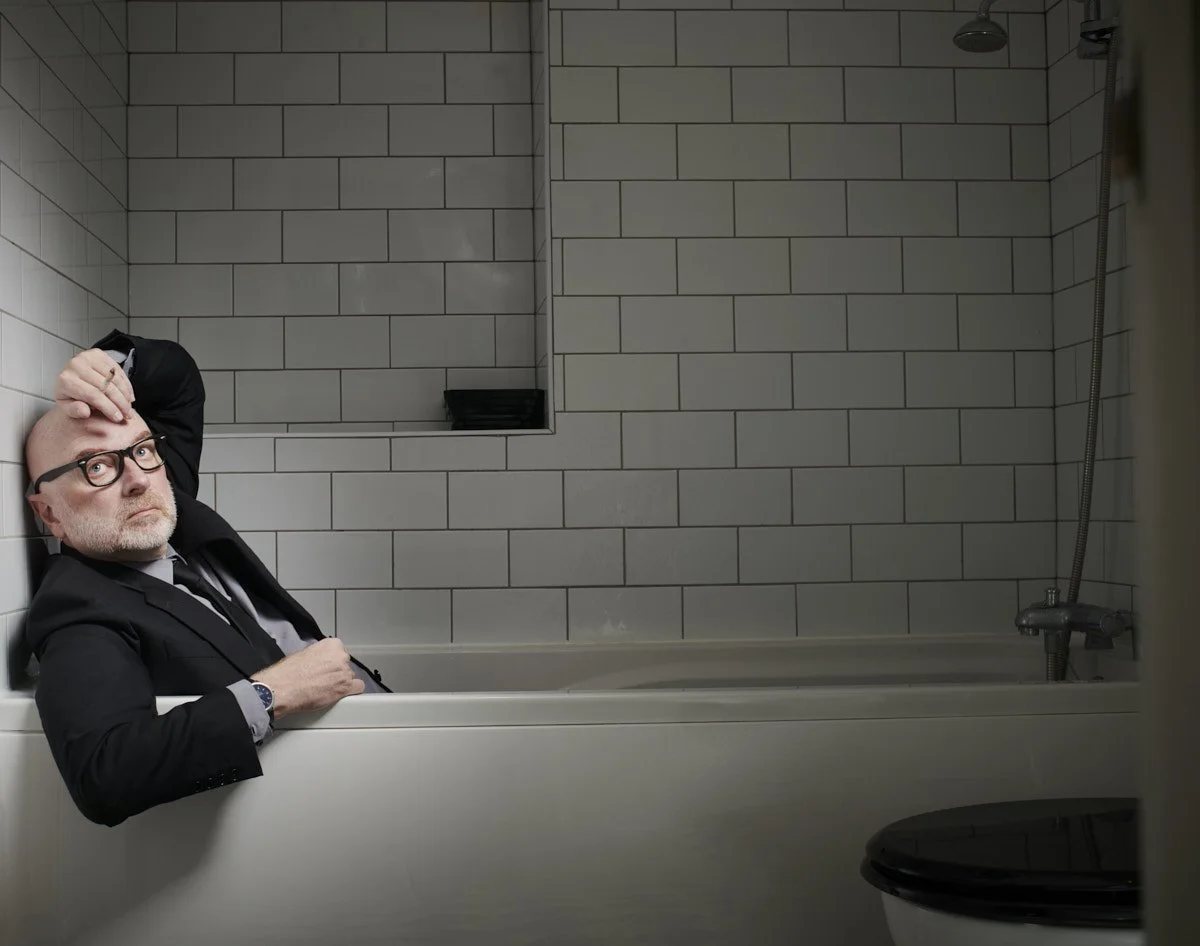
Taken for Arena Homme+ of the author Michael Collins.
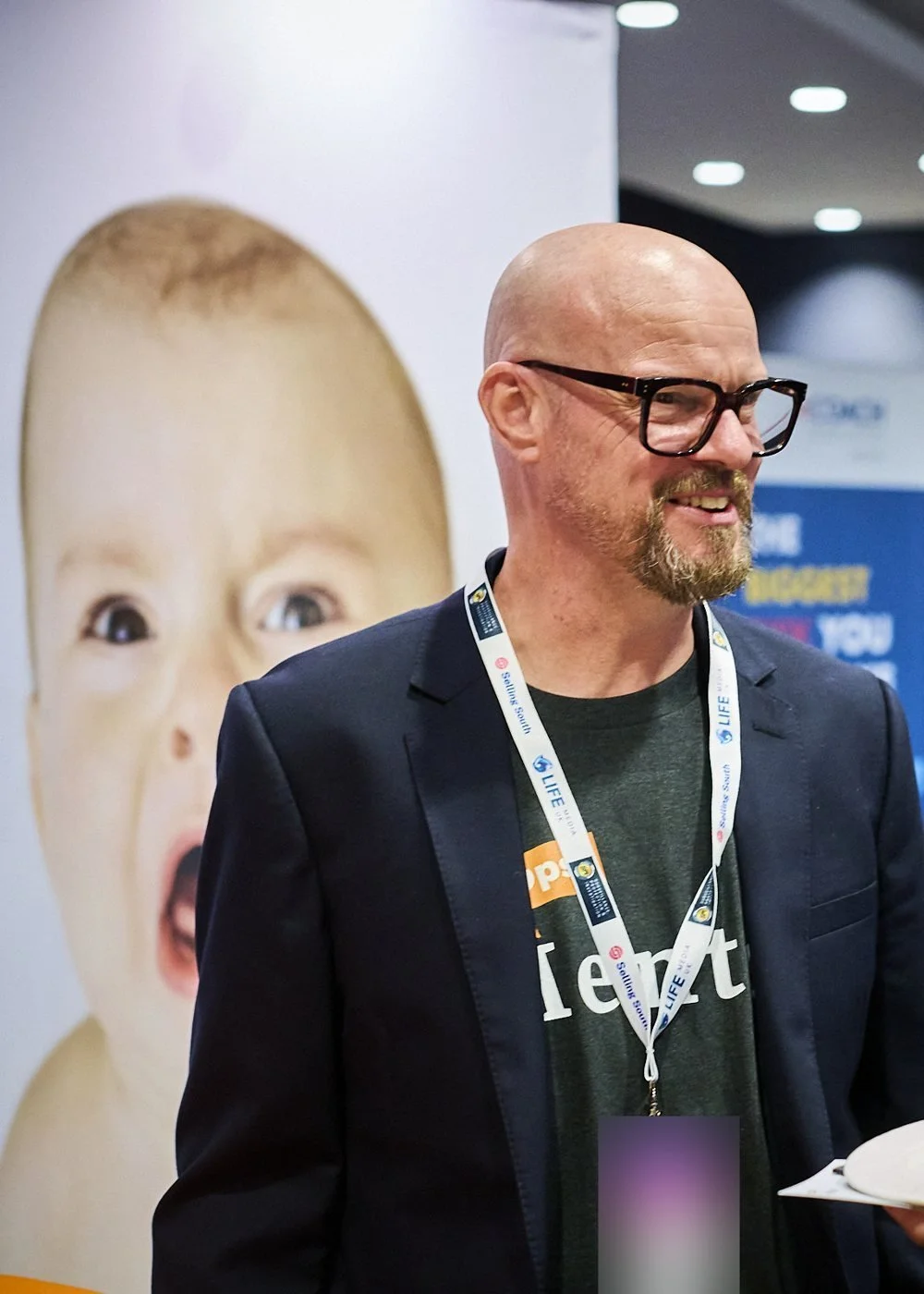
The poster behind him did the work.
Double-click to edit...
Trend six: cut-out portraits and GIFs
A portrait with the background removed, saved as a PNG and dropped onto a graphic. It looks great on websites and banners, and it is easy to do with Select Subject in Photoshop.
I have been putting GIFs together for a few years now. They always remind me of the character Max Headroom. A total antithesis of high production video.
Why do GIFs work? They are different. They show the quirky side of a business or a person. They are fun. And most of all they are eye catching, because people do not expect to see them.
Cut-outs are very useful too. You can add them to any content without worrying about laying text over a busy background.
You can see mine moving here.
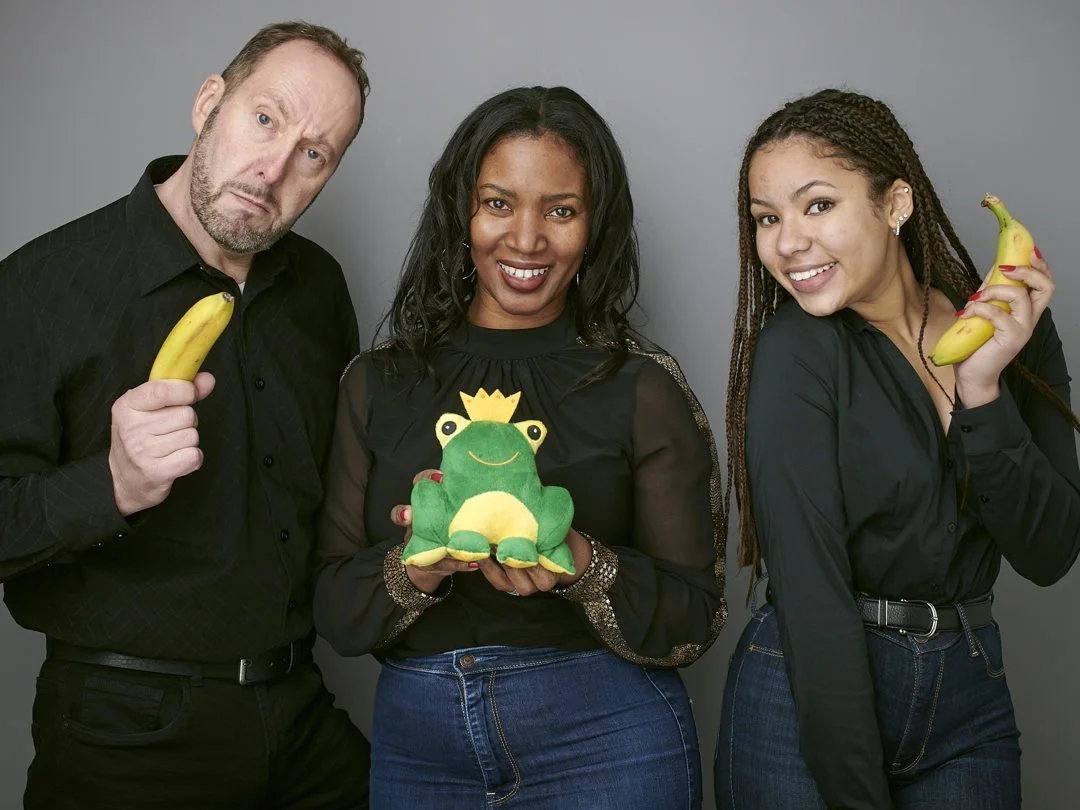
The still behind one of my GIFs. See it move on the GIFs page.
What I would do now
Pick one trend and try it this week. Just one.
Which one will you try first? Email me at marcus@marcusahmad.com and let me know.
Commercial photography trends 2027: quick answers
What are the photography trends for 2027?
I think there are six. Hard flash with a tilted angle, layering, real people in real places, duotone with a seventies feel, visual humour, and cut-out portraits and GIFs. They all push against polished AI images.
Is AI replacing commercial photography?
Not for the pictures that matter. AI can make a perfect image in seconds, and that is exactly why real people and real places stand out more. A photograph of your actual business is hard to fake.
What style of photos should my business use in 2027?
Start with real. Photograph your people where they actually work, with your own signs and tools. Then try one trend, like a duotone portrait in your brand colour for your website banner.
This post is based on my own research and 25 years in the industry. These are predictions, not facts. Everything else I write is in one place: linktr.ee/MarcusAhmadPhotography